Most New York Amazon brands have a conversion problem wearing an advertising costume. As an Amazon agency working with New York and NYC metro brands, we see the same thing on account after account. Premium clicks in fashion, beauty, and jewelry, some of the most expensive keywords on the platform, drive traffic into listings that convert below the category average. The campaigns look healthy. The main image still loses the click, the A+ still reads like a brochure, and the budget still leaves. New York is the most expensive market in the country to under-convert, and it is also the most common.
Best for: New York and NYC metro Amazon brands running catalogs from 10 to 500-plus ASINs, in categories where the click is expensive and the buyer is hard to win: fashion, beauty, health and wellness, jewelry, home, and premium consumer goods. Works for single-category sellers, multi-marketplace catalogs, and brands whose paid and organic traffic is already there but is not converting into sales.
What an Amazon agency actually does for New York brands
Running Amazon ads is not the same as running an Amazon business. A New York brand can hire a capable pay-per-click shop, cut its ACoS, and still lose money every month because the listing those clicks land on was never built to convert.
A full-service Amazon agency owns the whole path from search result to purchase. That means the creative a shopper sees first: the main image and the six that follow it. It means the copy, written for the person reading it, and the algorithm ranking it at the same time. It means the A+ Content, the Brand Story, and the storefront that carry a shopper from curiosity to checkout. And it means the account and advertising work that drives qualified traffic to all of it.
Most agencies competing for New York brands start and end at advertising. They optimize bids, harvest negative keywords, and report on ACoS, and all of that matters. But it sits on top of a listing they did not build and often cannot fix. That gap is where New York brands quietly lose the most money, because the click here costs more than almost anywhere else.
The advantage of one agency owning all of it is accountability. When the same team builds the images, writes the copy, and runs the ads, there is no one left to point at when a product underperforms. The creative gets judged by what the ads convert, and the ads get judged by the margin they return, not by a dashboard that looks busy.
We work the other direction. We build the thing the click lands on first, then drive traffic to a page that actually earns the sale.
Why most New York Amazon listings underperform right now
We audit a lot of New York accounts before we start working on them. The same handful of problems show up almost every time.
No main image that earns the click.
Most accounts run one blanket ACoS goal across the entire catalog, regardless of whether a product is launching, scaling, or mature. A launch ASIN and a five-year bestseller do not have the same breakeven math, and treating them the same wastes budget on one and starves the other.
A+ Content that reads like a brochure.
Search term reports pile up unreviewed for weeks. Every irrelevant click that should have been excluded keeps draining the same budget, month after month.
No catalog-wide creative consistency.
An agency optimizes bids while a different team, or nobody, handles the product page those clicks land on. If the listing does not convert, cheaper clicks just mean cheaper wasted spend.
Copy written for the algorithm alone.
Search for an Amazon marketing agency in New York and most results are the same national template with the state name swapped in. There is no regional context, no understanding of the industries that dominate this market, and no team member who has actually managed an account for a manufacturer or CPG brand headquartered here.
Premium clicks landing on a weak-converting page.
A brand paying premium CPCs into a listing that converts below category average is paying for a creative problem before it has an advertising problem.
Reporting that stops at clicks and ACoS.
A dashboard full of impressions and click-through rate tells you the campaign is running. It does not tell you whether the account is actually profitable once referral fees, FBA costs, and PPC spend are subtracted from revenue.
Revenue Generated
0K
Customer Satusfaction
0%
Brands Managed
0k+
How we build conversion: our creative frameworks
We do not rebuild listings by taste or one at a time. Every account we take on runs on three systems, and each one solves a problem New York brands hit at scale.
System 01
Product Family Architecture
This is how we keep a large catalog visually and verbally consistent. Instead of designing 80 listings, we design one system and apply it across the family, so a shopper who lands on one product immediately recognizes the rest. Cross-sell improves, brand recognition compounds, and a mid-size brand starts looking like the category leader it is competing with.
System 02
Master Layout System
This is the formula behind the images and A+. It fixes where the hero benefit goes, how objections get sequenced, which claims carry the click-through decision, and how the mobile view gets built first. It is why our creative converts on a repeatable basis instead of depending on which designer picked up the file.
System 03
Three Content Tiers
Specific is bespoke for a hero ASIN carrying real revenue. Generic is the efficient system for the long tail. Mix is the middle path for products that need more than the generic build but do not justify a full custom one. This is how a New York brand with hundreds of ASINs gets its budget spent where it actually moves revenue.
How creative and PPC actually work together
The most common objection we hear is that a brand needs ads, not images. It does need ads. It also needs to understand that Amazon does not treat the two as separate systems.
Amazon’s ad auction and its organic ranking draw on the same relevance signals and the same underlying product data. A listing with thin backend attributes and generic copy can still win a bid, but its relevance score comes in lower, so the ad serves less often and costs more when it does. Then the shopper arrives at a page that does not convert, and the click is wasted at both ends.
This is why we do not scale ad spend on top of a weak listing. Cheap, efficient clicks landing on a page that under-converts are still wasted money, just wasted more efficiently. We fix the conversion layer first, then drive traffic into it. For brands that want both handled, our account and advertising management runs on the same team as the creative, so bids and the listing they point to are finally built together instead of by two vendors who never speak.
What we do: the Desverto Amazon agency service in New York
This is a full-service Amazon agency, led by the creative and conversion work most New York competitors skip.
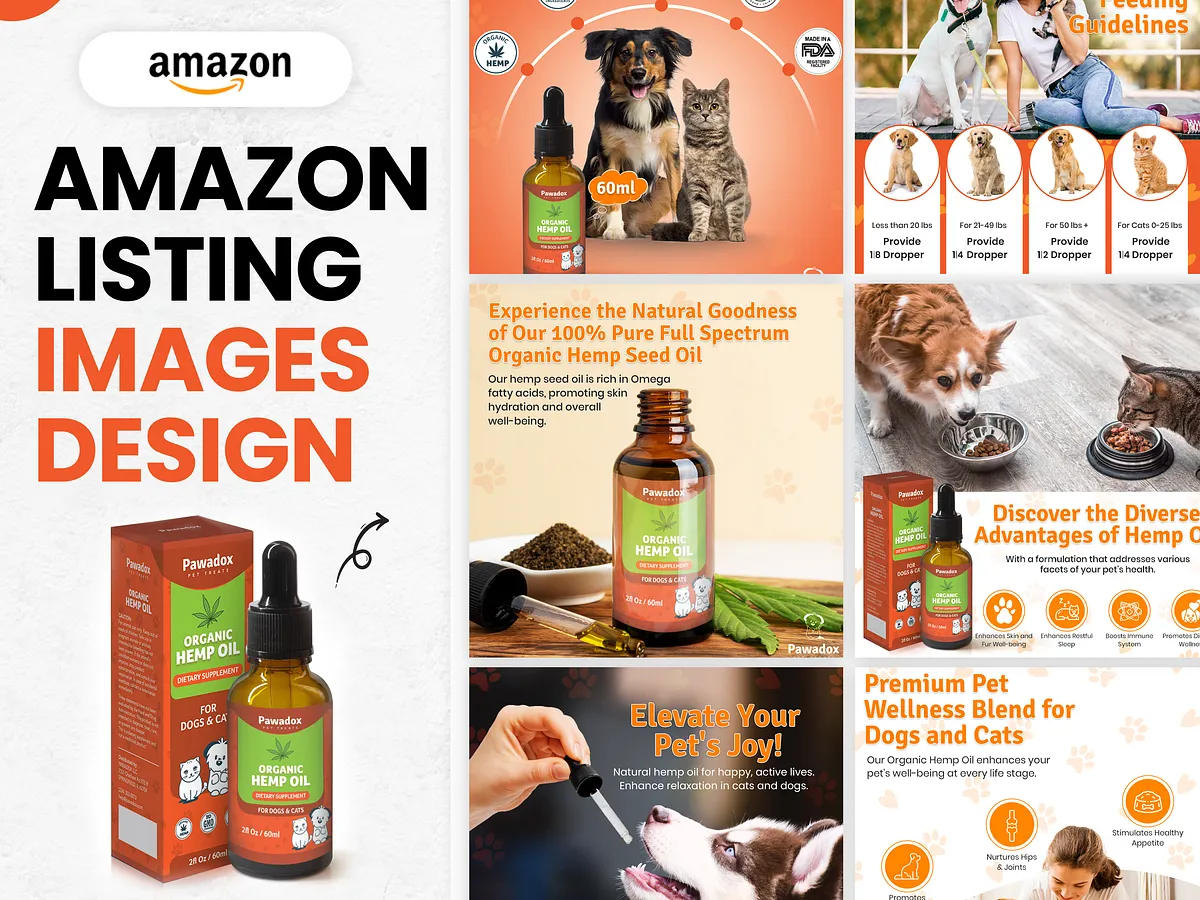
Listing images. The seven-image set per ASIN, from the main image through infographics and lifestyle. This is the top revenue service at Desverto because it is a major lever on both click-through rate and conversion.
Listing copywriting and SEO. Titles, bullets, descriptions, and backend search terms built from real keyword research and buyer-objection mining, written to rank and sell at the same time.
Standard and Premium A+ Content. Image-and-text modules that replace the plain description and give shoppers and Amazon’s ranking systems more to work with. Premium A+ is qualification-based, and we handle the path to it for eligible brands.
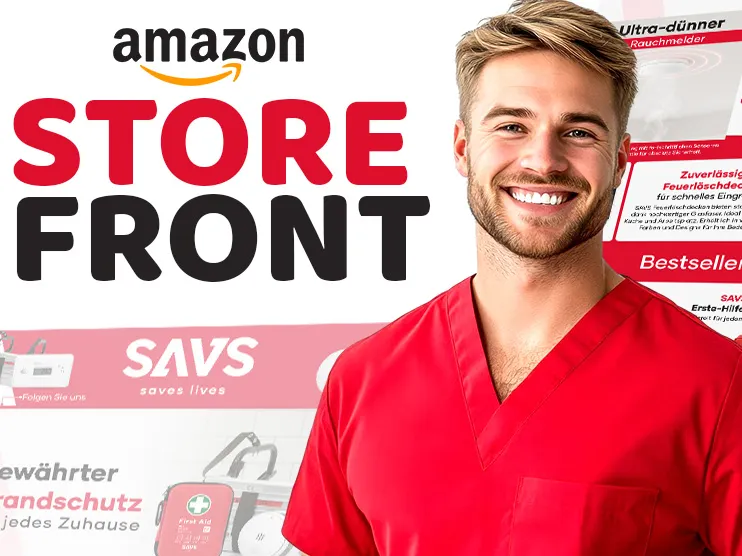
Brand Story and storefront design. The branded strip above A+ and the multi-page destination inside Amazon that turn a single-product visit into a brand relationship and a bigger cart.
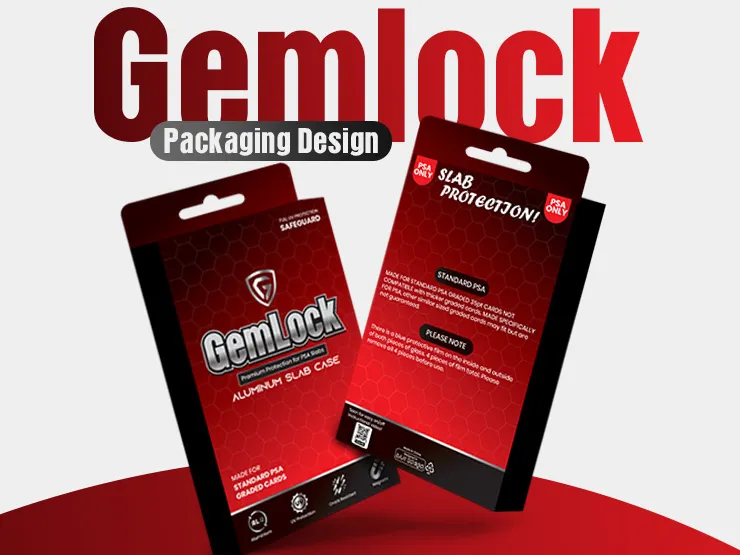
Packaging, brand identity, and product photography. The assets that make a brand look like it belongs in a premium New York category before a shopper reads a single word.
Brand protection and compliance. Trademark registration and Brand Registry enrollment that unlock A+, Stores, and brand-protection tools; negative review removal for reviews that violate Amazon’s community guidelines; and FDA registration for regulated categories such as supplements and skincare.
Account and advertising management. For brands that want the traffic side handled too, we manage the account and campaigns as one accountable team, so the ads and the listing they point to are built by people talking to each other.
What you get
Every engagement is built around the same standard. We show what changed, why it changed, and how the work connects to conversion.
Every engagement includes:
Full creative audit of your top ASINs before any work goes live, covering main image, A+, copy, and conversion gaps.
Listing images, copy, and A+ built on the Master Layout System, not designed one file at a time.
Catalog-wide consistency through Product Family Architecture, so a large New York catalog reads as one brand.
Listings built to be readable by Amazon’s AI shopping surface, not just keyword search.
Conversion-focused A+ and Brand Story that answer buyer objections instead of restating the bullets.
Direct visibility into the work. You see what changed and why. Nothing is a black box.
A creative review every quarter, because categories shift, competitors relaunch, and a listing that converted in spring can slip by fall.
Where this is going: New York Amazon and Alexa for Shopping
On May 13, 2026, Amazon retired its Rufus shopping assistant and replaced it with Alexa for Shopping. Alexa for Shopping sits directly in the main search bar, generates AI overviews above the results, and runs side-by-side product comparisons inside the results page. It is the default for every signed-in US shopper, with no Prime membership or Echo device required.
For New York brands, this raises the stakes on exactly the work most agencies skip. AI-mediated discovery does not reward keyword-stuffed titles. It reads attribute completeness, benefit-led bullets, informational A+ that reads as helpful rather than promotional, and recent, credible reviews. Every one of those is creative and content work.
We build listings for how New York shoppers actually discover products in 2026, not how they searched three years ago.
1,450+ Success Client Testimonials
What our client say’s
“We’ve been working with desverto team for over a year on our Amazon brand. From A+ content to product images, they’ve consistently delivered high-quality work on time and exactly to our specs. Super reliable and easy to work with — highly recommended.”
“Desverto supported my Entire Amazon Launch — from A+ content to storefront. Everything turned out visually cohesive and professional. They were patient, detail-focused, and didn’t stop until it was perfect. Highly recommended!”
“Desverto helped me launch my skincare line on Amazon — from SEO and listing images to storefront design. Everything looked incredibly professional. Super responsive and went above and beyond every step. I’d definitely recommend them.”
“We’ve been working with desverto team for over a year on our Amazon brand. From A+ content to product images, they’ve consistently delivered high-quality work on time and exactly to our specs. Super reliable and easy to work with — highly recommended.”
“Desverto supported my Entire Amazon Launch — from A+ content to storefront. Everything turned out visually cohesive and professional. They were patient, detail-focused, and didn’t stop until it was perfect. Highly recommended!”
“Desverto helped me launch my skincare line on Amazon — from SEO and listing images to storefront design. Everything looked incredibly professional. Super responsive and went above and beyond every step. I’d definitely recommend them.”
What does an Amazon agency in New York actually do?
A full-service Amazon agency owns the path from search result to sale: listing images, copy, A+ Content, Brand Story, and storefront, plus the account and advertising work that drives traffic to them. We lead with creative and conversion because that is where expensive New York traffic can be lost.
Do you have a New York office, or is this a location page?
This is a managed creative and conversion service, not a directory listing or a storefront on a New York street. Our team works with brands across New York and the broader NYC-metro area remotely, led by senior specialists. The work is judged on what it does to your listings and conversion, not on a physical address.
How is a creative-first Amazon agency different from a PPC agency?
A pay-per-click agency optimizes bids and campaigns. We build the listing the clicks land on—the images, copy, and A+ that decide whether expensive New York traffic converts—and we can manage the ads too. The difference is which half of the equation gets fixed first.
How much does an Amazon agency in New York cost?
Creative work is typically priced per listing or per project, and account or advertising management is priced as a managed retainer or a percentage of ad spend. New York generally runs above the US average, reflecting how competitive its categories are. We walk through real numbers during the audit because a fair price depends on ASIN count and scope.
Do you handle PPC and account management too, or only creative?
Both. Many brands come to us for the creative first and add account and advertising management once the listings convert. When we run both, they run on one team, so the bids and the listing they point to are built by people who talk to each other.
What is Premium A+ Content, and do I qualify?
Premium A+ is the higher tier of A+ Content, with full-width modules, video, and interactive elements that standard A+ does not include. It is qualification-based, and eligibility depends on your brand’s standing and A+ history. We assess whether you qualify and handle the build if you do.
How do you optimize listings for Alexa for Shopping and Amazon's AI search?
Amazon replaced Rufus with Alexa for Shopping in May 2026. That surface reads structured attributes, benefit-led bullets, and informational A+ rather than keyword-stuffed copy. We build listings to be readable by it: complete attributes, natural-language copy, and A+ that answers real buyer questions, so products can be recommended, not just indexed.
Which product categories and NYC-metro markets do you work with?
We work across fashion, beauty, health and wellness, jewelry, home, and premium consumer goods, with brands across the five boroughs, New Jersey, Connecticut, and the wider tri-state area. Single-category sellers and large multi-marketplace catalogs both fit.
Message from CEO
Our mission is to empower your growth through innovative solutions and unwavering dedication. we value trust, collaboration, and delivering excellence in everything we do.
If you are paying New York CPCs but your listings convert below the category average, the creative is the leak, not the campaigns. Book an Amazon audit and bring your top 10 ASINs. We will show you exactly where the click is getting lost and what a listing built to convert New York traffic looks like.
An Amazon advertising account performs best when the listing it points to is already built to convert. These are the services New York brands most often start with.