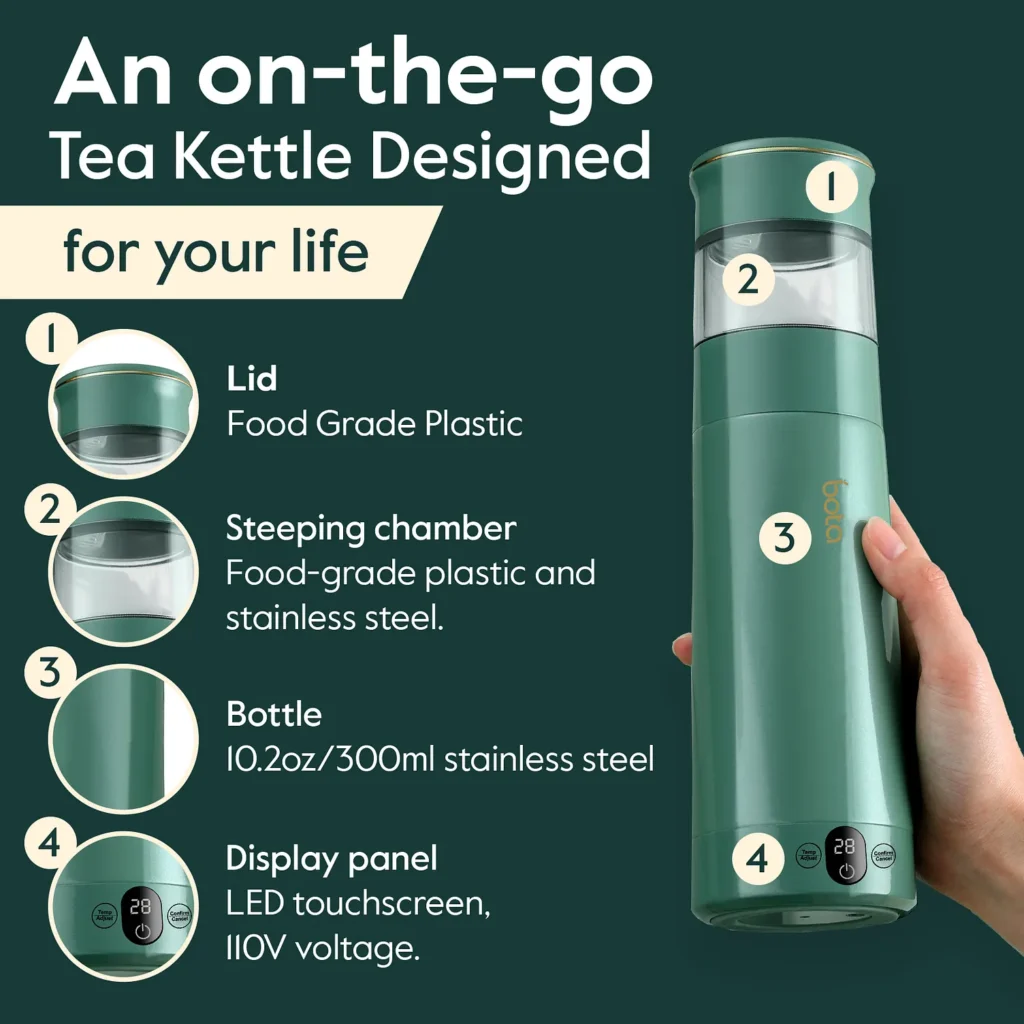
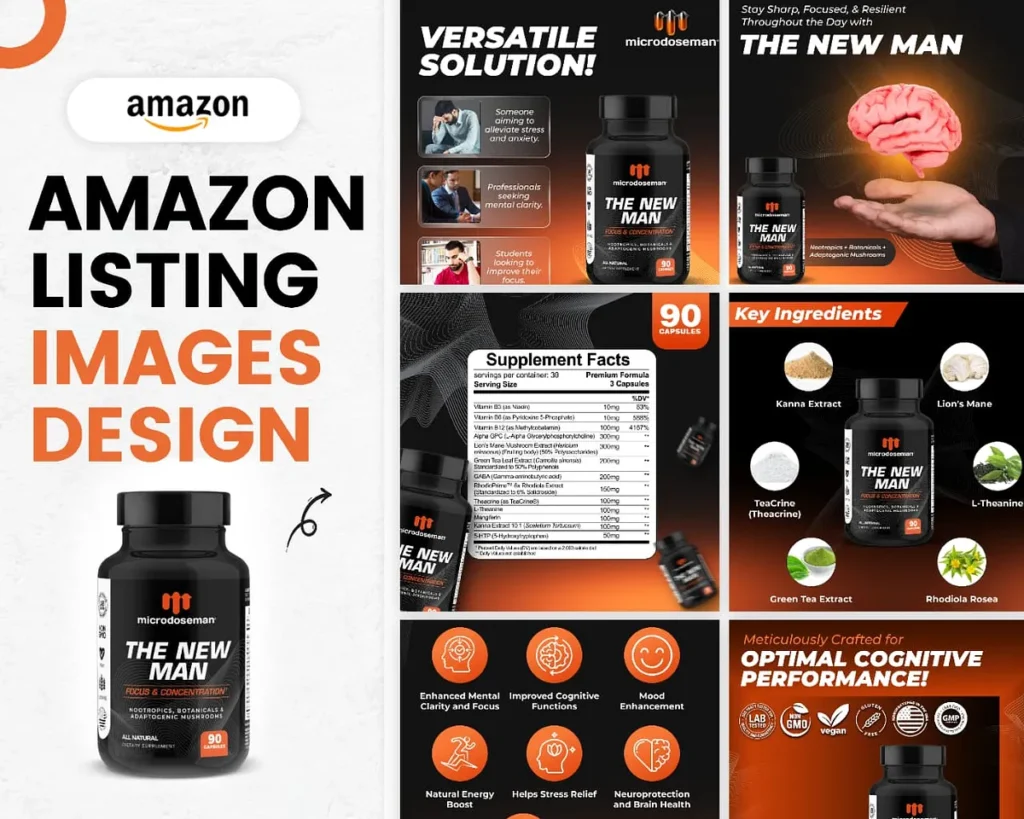
Most listings were written for a keyword algorithm. Rufus is a recommendation engine. If your listing was not built to be read by AI, it is not appearing in Rufus results, regardless of where it ranks in search.
Best For: Amazon brand owners whose listings rank in search but rarely appear when shoppers ask Rufus a direct question. Works for single-ASIN projects, multi-variant catalogs, and full-catalog audits across any category. Especially relevant for brands in high-consideration categories where shoppers ask detailed pre-purchase questions before they buy
What Rufus Optimization Actually Means
Rufus is not a smarter version of the Amazon search bar. It is a recommendation engine built on a knowledge graph. When a shopper types “best ergonomic chair for back pain under $300,” Rufus does not scan for listings with those words in the title. It looks for listings it already understands: products it has placed in a contextual map of use cases, attributes, and shoppers.
If your listing is not in that map, Rufus skips it. The search bar might still find you. Rufus will not.
Rufus optimization is the work of making your listing AI-readable: structured backend data, intent-clear copy, Q&A that answers real shopper questions, and A+ Content that gives the AI a clean knowledge base rather than marketing filler.
The goal is to get your ASIN into Rufus’s knowledge graph at every relevant use case for your product. An ASIN that COSMO understands appears in conversational recommendations. An ASIN it cannot categorize does not, regardless of keyword ranking.
This is why Rufus optimization is the fastest-growing service in our stack. Most sellers have not done this work. Most agencies do not offer it as a defined service. The window where this is genuinely uncrowded is open now.
Why Most Listings Are Invisible to Rufus Right Now
A listing can sit on page one for its primary keyword and still never appear in a single Rufus recommendation. These are two different systems pulling from different data. Traditional Amazon SEO targets the A9/A10 algorithm. Rufus sits on top of it, drawing from Amazon’s COSMO knowledge graph to decide which products to surface in response to conversational queries.
COSMO builds its knowledge graph by mapping products to use cases, attributes, and shopper intent not keyword matches. Rufus handles an estimated 13 to 14 percent of total Amazon searches right now and that number is growing. Brands that show up in conversational AI recommendations alongside traditional search results have a real advantage over brands that only optimized for one system.
The problem most sellers have is simple. Their listings have these gaps that make them invisible to COSMO:
Empty backend attribute fields
Materials, dimensions, compatible models, intended use, target audience, power source, age range: every blank is a missing connection in the knowledge graph.
Generic bullet points
Written to rank for keywords rather than answer questions. Rufus reads for context and intent. Keyword-dense copy gives it nothing to work with.
Sparse Q&A sections
One or two answers, or none. Q&A is Tier 2 validation data. Rufus pulls from it to answer conversational queries with confidence.
A+ Content built for brand aesthetics
Not for AI comprehension. Image alt text left as “product image 3” instead of context-rich descriptions.
No use-case language in copy
Buyers search by use case. COSMO maps products to use cases. If your copy does not name the use cases, COSMO cannot make the connection.
Unaddressed negative review patterns
If reviews repeatedly flag a problem, Rufus reads those as negative knowledge graph nodes and factors them into how it describes your product.
Missing comparison data
No A+ comparison charts means Rufus has no clean data matrix for answering “X vs Y” queries in your category.
Vague performance claims
High-powered motor” tells COSMO nothing. “Blends frozen ingredients and ice in under 30 seconds” is an attribute it can index.
No time-based claims
Keeps drinks cold 24 hours” is a specific, indexable attribute. “Keeps drinks cold” is not.
Missing safety and certification attributes
BPA-free, FDA-registered, UL-certified: these are attributes high-consideration shoppers filter on and COSMO maps explicitly.
No natural language in copy
Rufus reads your listing the way a person reads a recommendation. Listings written entirely as keyword strings do not read naturally and COSMO deprioritizes them for conversational results.
Revenue Generated
0K
Customer Satusfaction
0%
Brands Managed
0k+
Where This Is Going: Rufus, Alexa+, and Agentic Commerce
Rufus already has account memory, and Amazon is extending it across Kindle, Prime Video, and Audible. This builds a cross-service personalization layer that makes product recommendations increasingly tied to individual purchase history and media consumption. Alexa for Shopping is integrating Rufus’s conversational AI directly into voice shopping.
What this means practically: the brands that establish AI-recommendation visibility now will be harder to displace as the system deepens. COSMO’s knowledge graph builds on accumulated data. An ASIN with strong structured attributes, validated Tier 2 data, and high AI confidence scores today will maintain an advantage over new entrants who are still optimizing for the old keyword model.
The 3 to 6 month window where this space is genuinely uncrowded is open now. Most brands have not done this work yet. Most agencies do not offer it as a defined service yet. That changes as Rufus becomes a larger share of total Amazon search volume.
Rufus doesn't read your listing the way a shopper does. It evaluates
content through a trust hierarchy and builds confidence before making recommendations.
01
Tier 1
Your Controlled Data
Backend attributes, product title, bullet points, description,
and A+ Content. This is the highest-trust source because Amazon
can verify it directly.
Backend Attributes
Product Title
Bullet Points
Description
A+ Content
02
Tier 2
Validation Data
Customer reviews and Q&A help Rufus validate or challenge
your claims. Strong review signals increase confidence.
Customer Reviews
Questions & Answers
Claim Verification
Trust Building
03
Tier 3
External Signals
Brand mentions, web references and third-party indexes.
Useful, but less controllable and lower priority.
Brand Mentions
Web Data
Third-party Sources
External Authority
On PPC: How Rufus and Advertising Interact
If you are running Sponsored Products campaigns, Rufus affects your ad performance whether or not you have optimized for it. COSMO does not separate paid and organic results. Ads and organic listings draw from the same knowledge graph for relevance scoring. A listing with weak structured data and vague copy can still win a bid, but relevance signals will be lower, which affects where and how often the ad serves.
Rufus-mediated traffic also converts at a higher rate than standard search traffic because the AI has already pre-qualified the shopper’s intent before they click. The practical implication: if you are scaling ad spend before the listing is AI-readable, you are buying traffic for a listing that will underperform against the intent of the shoppers Rufus sends you. Get the listing right first, then scale the spend.
What You Get
A complete Rufus optimization pass on your listing, built from the audit up. Not a template. Not a checklist. A structured rewrite of every data layer Rufus reads.
Every project includes:
Backend attribute audit and completion: Every field in Seller Central mapped, assessed, and filled with accurate, specific data.
Natural language copy rewrite: Title, bullets, and description rewritten for AI comprehension and shopper intent, retaining target keywords.
Q&A seeding: Real buyer questions answered in natural language to seed Tier 2 data Rufus pulls for conversational queries.
A+ Content optimization: Existing modules reviewed and updated with COSMO-readable comparison charts and context-rich image alt text.
Review sentiment analysis and negative review mitigation: Recurring use cases surfaced into Tier 1 copy. Objections addressed directly in listing language.
Monthly performance report: Before-and-after metrics on every optimized ASIN: conversion rate, unit session percentage, Buy Box percentage, and a qualitative Rufus visibility assessment on your target use cases.
Rufus optimization is not a one-time project. Amazon’s AI model updates, COSMO’s knowledge graph expands, and new conversational query patterns emerge. We recommend a listing review every six months to catch new gaps and adjust for category shifts.
What We Optimize: The Desverto Rufus Optimization Service
This is a done-for-you service. We do the work. You review the output and approve it before anything goes live. Every project starts with a full listing audit that maps every gap in your Tier 1 and Tier 2 data before we write a single word.
“We’ve been working with desverto team for over a year on our Amazon brand. From A+ content to product images, they’ve consistently delivered high-quality work on time and exactly to our specs. Super reliable and easy to work with — highly recommended.”
“Desverto supported my Entire Amazon Launch — from A+ content to storefront. Everything turned out visually cohesive and professional. They were patient, detail-focused, and didn’t stop until it was perfect. Highly recommended!”
“Desverto helped me launch my skincare line on Amazon — from SEO and listing images to storefront design. Everything looked incredibly professional. Super responsive and went above and beyond every step. I’d definitely recommend them.”
“We’ve been working with desverto team for over a year on our Amazon brand. From A+ content to product images, they’ve consistently delivered high-quality work on time and exactly to our specs. Super reliable and easy to work with — highly recommended.”
“Desverto supported my Entire Amazon Launch — from A+ content to storefront. Everything turned out visually cohesive and professional. They were patient, detail-focused, and didn’t stop until it was perfect. Highly recommended!”
“Desverto helped me launch my skincare line on Amazon — from SEO and listing images to storefront design. Everything looked incredibly professional. Super responsive and went above and beyond every step. I’d definitely recommend them.”
Amazon Rufus Optimization is the process of restructuring your listing’s backend attributes, copy, Q&A, A+ Content, and image alt text so that Amazon’s AI shopping assistant can understand your product and recommend it in response to conversational shopper queries. It is different from traditional keyword SEO because Rufus reads for context and intent, not keyword matches.
How is Rufus optimization different from traditional Amazon SEO?
Traditional Amazon SEO targets the A9/A10 algorithm through keyword placement, search terms, and sales velocity signals. Rufus optimization targets the COSMO knowledge graph through structured data completeness, use-case clarity, and AI-readable content. Both matter. The best strategy addresses all three layers: A9/A10 for keyword search, COSMO for intent and context, and Rufus for conversational recommendations.
Does Rufus optimization replace keyword SEO?
No. Rufus sits on top of the existing algorithm. It does not replace it. Your listing still needs to rank in traditional search. What Rufus optimization adds is a second traffic channel: conversational AI recommendations that traditional SEO does not capture. A listing that ranks well in search and is also AI-readable gets visibility in both systems.
What does a Rufus optimization service include?
Our Rufus optimization service covers backend attribute audit and completion, natural language copy rewriting, Q&A seeding, A+ Content optimization, image alt text, review sentiment analysis, and negative review mitigation. Every project starts with a full listing audit before any changes are made.
How long does it take to see results from Rufus optimization?
Conversion rate improvements from cleaner copy often appear within two weeks of updated listings going live. Rufus recommendation frequency typically improves within four to eight weeks as COSMO processes the updated structured data and Tier 1 content. Full impact across all target use cases usually takes two to three months.
What is COSMO and why does it matter for my listings?
COSMO is Amazon’s knowledge graph that powers Rufus. It maps products to use cases, attributes, and shopper intent by analyzing purchase behavior and co-purchase data. If your backend attributes are empty or your copy is vague, COSMO cannot connect your product to relevant queries. An ASIN that COSMO does not understand does not appear in Rufus recommendations, regardless of its keyword ranking.
Which product categories benefit most from Rufus optimization?
High-consideration categories where shoppers ask specific pre-purchase questions see the most immediate impact: health and wellness, electronics, kitchen and home, fitness equipment, baby, and pet. That said, any product in a competitive category benefits from being AI-recommendation ready. If buyers ask “what is the best [product] for [use case]” in your category, Rufus is already influencing which products they see.
How do I know if the Rufus optimization is actually working?
We track five measurable signals before and after every optimization pass: conversion rate, unit session percentage, Buy Box percentage, organic keyword ranking on target terms, and a qualitative Rufus visibility assessment where we manually test your top use-case queries against the updated listing. The most direct signal is conversion rate, which reflects whether shoppers who land on your listing are buying. Rufus-mediated traffic converts at a higher rate than standard search traffic because the AI pre-qualifies intent before the click, so a well-optimized listing typically shows a measurable conversion lift within two to four weeks of going live. We include a monthly performance report with every project so you have a clear before-and-after picture, not just our word that the work was done.
Message from CEO
Our mission is to empower your growth through innovative solutions and unwavering dedication. we value trust, collaboration, and delivering excellence in everything we do.
If your listings rank in search but rarely appear when shoppers ask Rufus a direct question, the content structure is the problem. Book a Rufus optimization consultation and bring your top three ASINs. We will show you exactly what Rufus sees when it reads your listing, and what needs to change.
Rufus optimization works best when the listing it is optimizing is already strong. These are the most common services clients add alongside or before a Rufus optimization engagement:
Seven custom-designed images per SKU, selected by category behavior and competitor gaps. The visual layer Rufus processes through computer vision alongside your alt text.