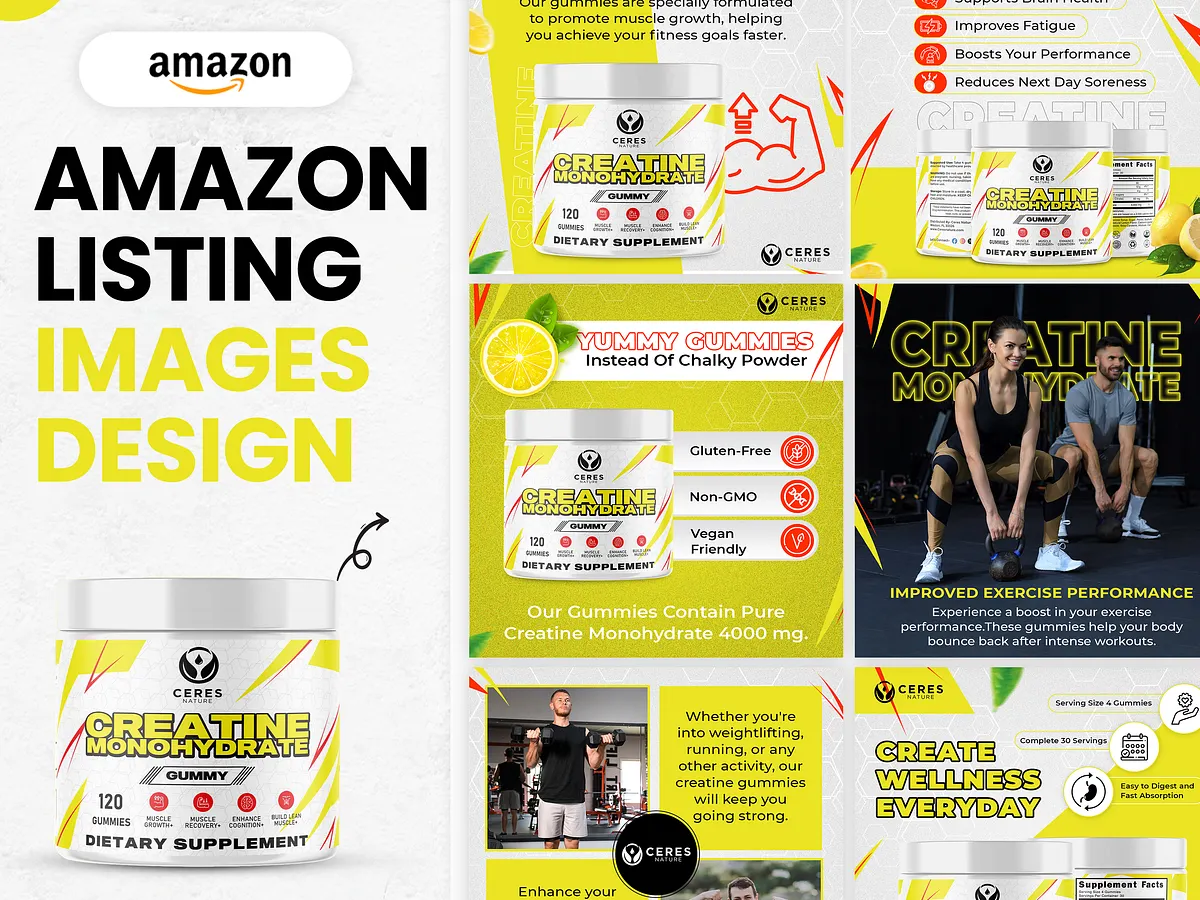
We write Amazon product descriptions that get read, get found, and get bought, for sellers on any Amazon marketplace worldwide. Every description goes through a compliance check against Amazon’s current content rules, research into what your actual customers and competitors are saying, and a rewrite built around benefits instead of a spec sheet. If your listing copy hasn’t been touched in a while, there’s a good chance it’s carrying mistakes working against it right now, like HTML tags Amazon stopped supporting back in 2021 that are still sitting there doing nothing.
Best For: sellers and brand owners looking for an Amazon product description writing service UK teams can rely on for Amazon.co.uk (and EU marketplace) listings, whether that’s a single description, full Amazon listing copywriting, or Amazon A+ Content copywriting. Works for single-SKU private label brands doing their first few thousand pounds a month through to catalogue brands running 50+ ASINs on Seller Central or Vendor Central. Especially useful for brands whose descriptions were written years ago, before several of Amazon’s formatting and enforcement rules changed.
What Amazon Product Description Writing Actually Involves
A product description is not a summary of your bullet points. Amazon gives you up to 2,000 characters of plain text, positioned below the images and bullets on desktop and much higher up the page on mobile. Written properly, it does a job neither the title nor the bullets can. It gives a shopper who’s already interested enough to scroll a reason to actually buy, in full sentences rather than fragments.
That makes the job bigger than “write 300 words.” A description that works has cleared three separate checks before it goes live. It’s compliant with Amazon’s content rules, so it doesn’t get suppressed. It’s written in language your actual customers use, pulled from real reviews and real competitor gaps. And it’s built around benefits rather than a spec sheet, because a shopper reading this far down the page is deciding, not still comparing.
For a brand running more than a handful of SKUs, there’s a fourth requirement most guides skip entirely. Consistency matters. If your body butter’s description reads nothing like your face serum’s, in tone, structure, or how confidently it states a claim, that inconsistency shows up in your Brand Story and in how buyers read the whole catalogue, not just one listing.
Why Most Amazon Product Descriptions Don’t Convert (or Get Suppressed)
We look at a lot of existing listings before we touch them. The same handful of problems show up again and again, and most of them have nothing to do with how well someone can write.
HTML that stopped working years ago.
Amazon removed HTML formatting from the standard description field for UK sellers in June 2021 (US sellers followed in July that year). Descriptions written or copied from older templates still include <p>, <strong>, and <em> tags. Those tags don’t render. They either display as literal text or get stripped out, and either way they still count against your 2,000-character limit while doing nothing useful.
Banned content Amazon actively suppresses for.
No reviews or testimonials, no price or availability claims, no external URLs, no contact details, no time-sensitive language like “just in time for Christmas.” These aren’t stylistic suggestions. Amazon’s product detail page rules treat them as compliance violations, and violations get listings pulled from search, not just flagged.
Keyword stuffing instead of keyword placement.
A description that reads “premium kitchen storage organiser kitchen organiser cabinet organiser” doesn’t rank better. It reads worse to a shopper and gets ignored by the algorithm just the same. The field is indexed for search, so the fix is placing two or three long-tail terms naturally.
A spec sheet instead of a sales pitch.
“Made from 304 stainless steel” tells a shopper what the product is. It doesn’t tell them why they’d want it over the seven other stainless steel options in the search results.
AI-drafted copy that nobody checked.
Amazon’s own tools, and general tools like ChatGPT, can produce a passable first draft in seconds. What they can’t reliably do is flag a banned phrase, catch an unsupported claim, or notice that your third bullet already covers the point the description is about to repeat.
Revenue Generated
0K
Customer Satusfaction
0%
Brands Managed
0k+
How We Write Descriptions That Comply and Convert
We run every description through three layers before it’s considered finished. Skip any one of them and you get a description that fails somewhere, either with Amazon, with the shopper, or with the rest of your catalogue.
Most freelance description-writing jobs stop at Layer 3, sometimes skipping straight to it. That’s how you end up with well-written copy that’s still non-compliant, or persuasive copy answering questions nobody asked.
Layer 01
Compliance
Character count, banned content, current HTML policy, category-specific style guide requirements. This determines whether the description stays live at all, which is why it’s checked first.
Layer 02
Research
We read the reviews on your listing and on your closest competitors, not to copy anything, but to find the actual words customers use and the questions your current copy doesn’t answer. A description that answers a question a dozen reviewers actually asked converts differently than one written from a spec sheet alone.
Layer 03
Conversion Copywriting
Feature-to-benefit conversion, keyword placement that doesn’t repeat what’s already in your title and bullets, and a structure built to be read on a phone screen, since that’s where most Amazon shoppers see it first.
On Pricing: What It Costs to Hire an Amazon Copywriter in the UK
Pricing in this space runs wide. On freelance marketplaces, a single description-only job can run anywhere from around £15 to £50. Fuller packages that add keyword research, a title rewrite, and five bullets tend to sit between roughly £75 and £250 per listing. At the top end, sellers commissioning full listing optimisation with competitor research and A+ Content copywriting included are paying several hundred pounds per product.
The number that should worry you more than the price is what happens below it. A £20 description with no compliance check can get suppressed. A £200 description that reads well but never checks the reviews on your top three competitors is guessing at what your customers actually care about. We scope every project against your catalogue size and whether you need description-only work or the full listing rebuilt around it, and we’ll tell you which one your account actually needs before you commit to either.
What We Deliver: The Desverto Amazon Product Description Writing Service
This isn’t a per-word freelance job. It’s a written deliverable, checked against your compliance risk, your competitors, and your existing catalogue before it goes anywhere near Seller Central. If you’re deciding whether to hire an Amazon copywriter at all or handle it in-house, this is the scope you’re actually weighing up against.
Description Writing. A full rewrite or new description built through all three layers above, delivered ready to paste into your listing.
Amazon Listing Copywriting. Title, five bullet points, description, and backend search terms, written as one coordinated piece of copy instead of four separate fields competing for the same keywords.
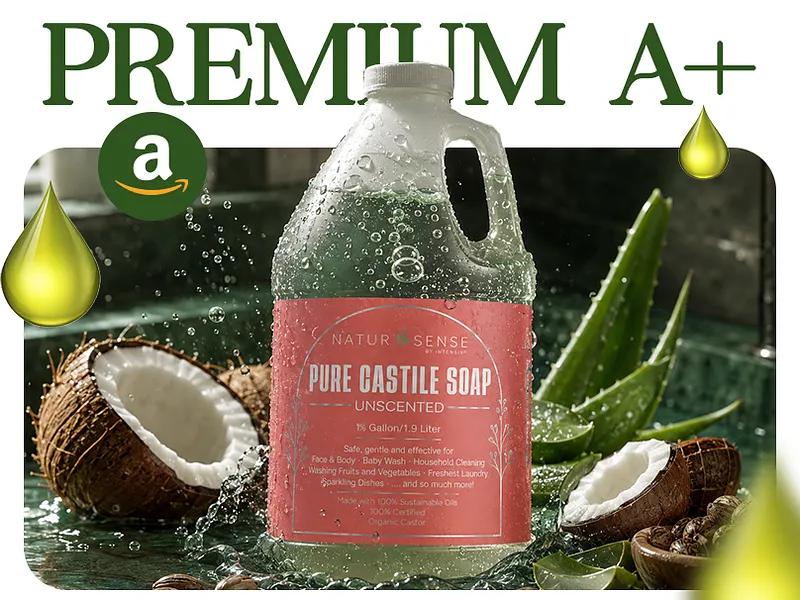
Amazon A+ Content Copywriting. Module-by-module copy for Standard or Premium A+ Content. Worth knowing before you commission this: A+ Content replaces the visible description on the page, but the standard text description stays live in the backend and is still what Amazon indexes for search. Amazon’s own guidance puts the sales lift at up to 8% for Basic A+ Content and up to 20% for Premium. That range comes from better presentation, not search visibility, which is why we write both pieces, not just one.
Before: a Brand Registry-enrolled skincare brand launches Premium A+ Content and deletes the standard description to “avoid duplication.” After: search traffic for their long-tail terms drops within a few weeks, because 2,000 characters of indexed text just disappeared from the page entirely. The fix isn’t complicated. It’s writing both, and knowing which one is doing which job.
What You Get
A compliance review of your current description against Amazon’s live content rules, not the rules from a two-year-old guide
Keyword research and placement mapped against your actual competitors, not a generic template
A revision round included, so the first draft isn’t the only draft
UK English throughout, localised where your catalogue sells across other Amazon EU marketplaces
Copy delivered ready to paste into Seller Central or Vendor Central, character counts included
For multi-SKU brands, a consistency pass so your product family reads as one brand, not several
Where This Is Going: AI Overviews and Amazon's Own AI Listing Tools
Google’s AI Overview now answers “how do I write an Amazon product description” directly in the search results, pulling from whichever pages state Amazon’s actual rules most clearly and most currently. Get the HTML policy wrong, or state a character limit that changed last year, and you’re not just giving a shopper bad advice. You’re giving an AI system bad information to repeat.
Amazon has its own AI description generator built into Seller Central now, and it’s genuinely useful for a rough first pass. What it doesn’t do is check your specific category’s style guide, cross-reference your reviews for objections your copy should be addressing, or know that “best” and “guaranteed” are two of the terms Amazon’s enforcement has tightened around in the last year. The brands getting the most out of AI tools right now are the ones using them to draft faster and still paying an Amazon product description writer to check the output before it goes live, not the ones publishing whatever the tool produces first.
1,450+ Success Client Testimonials
What our client say’s
“We’ve been working with desverto team for over a year on our Amazon brand. From A+ content to product images, they’ve consistently delivered high-quality work on time and exactly to our specs. Super reliable and easy to work with — highly recommended.”
“Desverto supported my Entire Amazon Launch — from A+ content to storefront. Everything turned out visually cohesive and professional. They were patient, detail-focused, and didn’t stop until it was perfect. Highly recommended!”
“Desverto helped me launch my skincare line on Amazon — from SEO and listing images to storefront design. Everything looked incredibly professional. Super responsive and went above and beyond every step. I’d definitely recommend them.”
“We’ve been working with desverto team for over a year on our Amazon brand. From A+ content to product images, they’ve consistently delivered high-quality work on time and exactly to our specs. Super reliable and easy to work with — highly recommended.”
“Desverto supported my Entire Amazon Launch — from A+ content to storefront. Everything turned out visually cohesive and professional. They were patient, detail-focused, and didn’t stop until it was perfect. Highly recommended!”
“Desverto helped me launch my skincare line on Amazon — from SEO and listing images to storefront design. Everything looked incredibly professional. Super responsive and went above and beyond every step. I’d definitely recommend them.”
No. Amazon removed HTML formatting support from the standard description field for UK sellers in June 2021. Any HTML tags you add now either display as literal text to shoppers or get stripped out, and either way they count against your 2,000-character limit while doing nothing useful.
How much does it cost to hire an Amazon copywriter in the UK?
£15 to £50. Full listing packages with keyword research, a title, and bullets included tend to land between £75 and £250 per product. We scope pricing after looking at your catalogue and current listings, since a compliant single description and a full competitor-researched listing rebuild aren’t the same job.
What's the difference between the product description and Amazon A+ Content copywriting?
The standard description is plain text, indexed by Amazon for search, and capped at 2,000 characters. A+ Content is visual, module-based, and only available to Brand Registry sellers. It replaces what shoppers see on the page but isn’t indexed for search itself, which is why brands with A+ Content still need a working standard description underneath it.
Is it safe to use AI tools like ChatGPT to write my Amazon description?
It’s fine as a starting point. AI-generated drafts regularly include banned terms, unsupported claims, or content that duplicates what’s already in your bullet points, so treat the output as a rough draft rather than a finished one. Someone still needs to check it against Amazon’s current policy and your actual reviews before it goes live.
Will rewriting my description actually change my ranking?
Amazon indexes the description for search, so a rewrite with the right long-tail keywords can help. It won’t outweigh your title, which carries more ranking weight, but for products competing on specific, less obvious search terms, a properly optimised description is one of the few places left to capture them without touching your title or bullets.
Should I hire an Amazon product description writer, or write it myself?
Writing it yourself works fine if you’re comfortable checking Amazon’s current content rules and you only have a handful of SKUs. Once you’re managing more than a few listings, or your descriptions haven’t been reviewed since Amazon last changed a policy, an Amazon product description writer for hire earns their fee back in avoided suppressions alone.
Do I keep ownership of the copy you write?
Yes. The finished description, bullets, title, and A+ Content copy all belong to you once delivered. We write inside your Seller Central or Vendor Central account, or hand the copy over for your team to paste in.
How long does it take to get a finished Amazon product description?
A single description, built through all three layers, typically takes 3 to 5 working days. Full listing copywriting (title, bullets, description, and backend terms together) usually runs 5 to 7 working days per product. Multi-SKU catalogue projects are scoped individually, since the research phase scales with how many product families you’re covering, not just how many words need writing.
Message from CEO
Our mission is to empower your growth through innovative solutions and unwavering dedication. we value trust, collaboration, and delivering excellence in everything we do.
If your descriptions haven't been touched since before Amazon changed its HTML policy, that's worth five minutes to check before you spend money on anything else. Book a free listing review with our Amazon product description writing team and we’ll tell you exactly what’s compliant, what’s costing you search visibility, and what to fix first.
A strong product description works best when the rest of the listing supports the same message. These are the services clients most often add alongside Amazon product description writing:
Visual A+ Content that combines persuasive copy with branded layouts, helping shoppers understand the product and make a more confident buying decision.
Keyword research and listing-field optimization designed to improve organic discoverability and make sure your product copy is built around the searches that matter.